The crack started small. You bite down on something hard and feel a sharp pain, and notice sensitivity when you drink something cold. You then ran your tongue over a tooth and felt a rough edge that wasn’t there before. Now you know you have a cracked tooth, and are wondering if it’s really a big deal.
Yes, it is! A cracked tooth doesn’t heal on its own or get better with time. It gets worse.
At New Smile Dentistry & Orthodontics, Dr. Firas Marouf and Dr. Melvin Benson see patients all the time who waited too long to address a cracked tooth. They understand the fear, the hesitation, and the consequences of delayed treatment.
This guide explains why you shouldn’t wait to get a crown in Winter Springs, FL, and what can happen if you do.
The Warning Signs of a Cracked Tooth
Not all cracked teeth are obvious. Some cracks are visible, while others are hidden below the gumline or between teeth.
Here are the signs to watch for:
- Pain When Chewing: You might feel a sharp pain when you bite down, especially on hard foods. The pain may come and go.
- Sensitivity to Temperature: Hot or cold foods and drinks can cause a quick, sharp sensation. This happens when the crack exposes the tooth’s inner layers.
- Intermittent Pain: The pain from a cracked tooth isn’t always constant. It might hurt for a day, then feel fine, then hurt again. This on-and-off pattern is common.
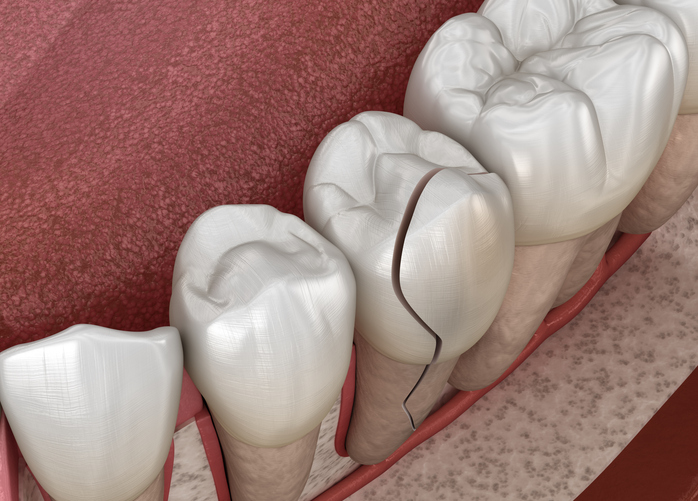
- A Visible Crack: Sometimes you can see the crack in a mirror. It might look like a vertical line running down the tooth.
- A Rough Edge: Your tongue is sensitive. If you feel a rough or jagged edge, there may be a crack or chip.
If you notice any of these signs, don’t ignore them. Schedule an appointment at New Smile Dentistry right away.
What Happens If You Wait
A cracked tooth is a progressive problem. Without treatment, it gets worse. Here’s the timeline:
- The Crack Deepens: A small crack can spread. It can extend deeper into the tooth, reaching the pulp, the soft tissue inside that contains nerves and blood vessels.
- Decay Enters: Once the crack opens up, bacteria can enter the tooth. This leads to decay. Decay can spread quickly, further weakening the tooth.
- The Nerve Becomes Infected: If the crack reaches the pulp, the nerve can become infected. This is extremely painful. You’ll need a root canal to save the tooth.
- The Tooth May Split: If the crack extends far enough, the tooth may split completely. When a tooth splits, you can’t save it. Extraction becomes the only option.
- You May Lose the Tooth: Once you lose the tooth, you’ll need to replace it. That means considering an implant, bridge, or denture. That’s a much bigger investment than a crown.
Why a Crown Is the Solution
A crown is the best way to save a cracked tooth because it covers the entire visible portion. It holds the tooth together and prevents the crack from spreading. It protects the tooth from chewing forces, seals out bacteria, and prevents decay and infection.
In many cases, a crown can save a tooth that would otherwise be lost. That’s why we recommend crowns for cracked teeth.
If the crack has already reached the nerve, you may need a root canal first. After a root canal, we place a crown to protect the tooth. This two-step approach can save a tooth that might otherwise need extraction.
Types of Cracks
Not all cracks are the same. The type of crack affects the treatment and the prognosis.
Craze Lines
These are tiny, superficial cracks in the enamel. They’re common and usually don’t require treatment. They don’t cause pain or affect the tooth’s structure.
Fractured Cusp
A cusp is the pointed part of a tooth that helps you chew. If a cusp fractures, a dentist can usually repair it with a crown. The crown covers the tooth and restores its function.
Cracked Tooth
This is a crack that extends from the chewing surface down toward the root. It may or may not reach the pulp. A crown can save the tooth, but if the crack reaches the pulp, you may need a root canal.
Split Tooth
This happens when a tooth splits into two separate parts. A split tooth usually can’t be saved. Extraction is necessary.
Vertical Root Fracture
This is a crack that starts at the root and extends upward. It’s hidden below the gumline and hard to detect. These fractures require extraction.
Why Speed Matters
The earlier you treat a cracked tooth, the better your chances of saving it. A small crack can be protected with a crown. If you ignore a crack for months, you may need a root canal, or you may lose the tooth entirely.
Don’t wait because the sooner you come in, the more options you’ll have.
Why Choose New Smile Dentistry for Your Crown?
Dr. Firas Marouf and Dr. Melvin Benson bring exceptional skill and genuine care to every patient. Dr. Marouf graduated with honors from Temple University. He leads the practice with a focus on patient-centered care and clear communication.
Dr. Benson has been practicing for almost 20 years. He’s a Fellow in the Academy of General Dentistry, a distinction held by only 6% of general dentists. He’s been named a Top Dentist multiple times and believes in “informing before he performs.”
Together, they provide comprehensive dental care at our Winter Springs office. Whether you need a simple crown or a complex restoration, you’re in skilled hands.
Serving Winter Springs and Beyond
New Smile Dentistry & Orthodontics is conveniently located at 620 W State Rd 434, Winter Springs, FL 32708. We proudly serve patients from Casselberry, Orlando, Lake Mary, Oviedo, Longwood, and the surrounding communities.
Have a cracked tooth? Don’t wait to visit your trusted dentists in Winter Springs. Call us at (689) 329-1817 or request an appointment online. Dr. Marouf or Dr. Benson will evaluate your tooth and recommend the best treatment to save it.